Introduction
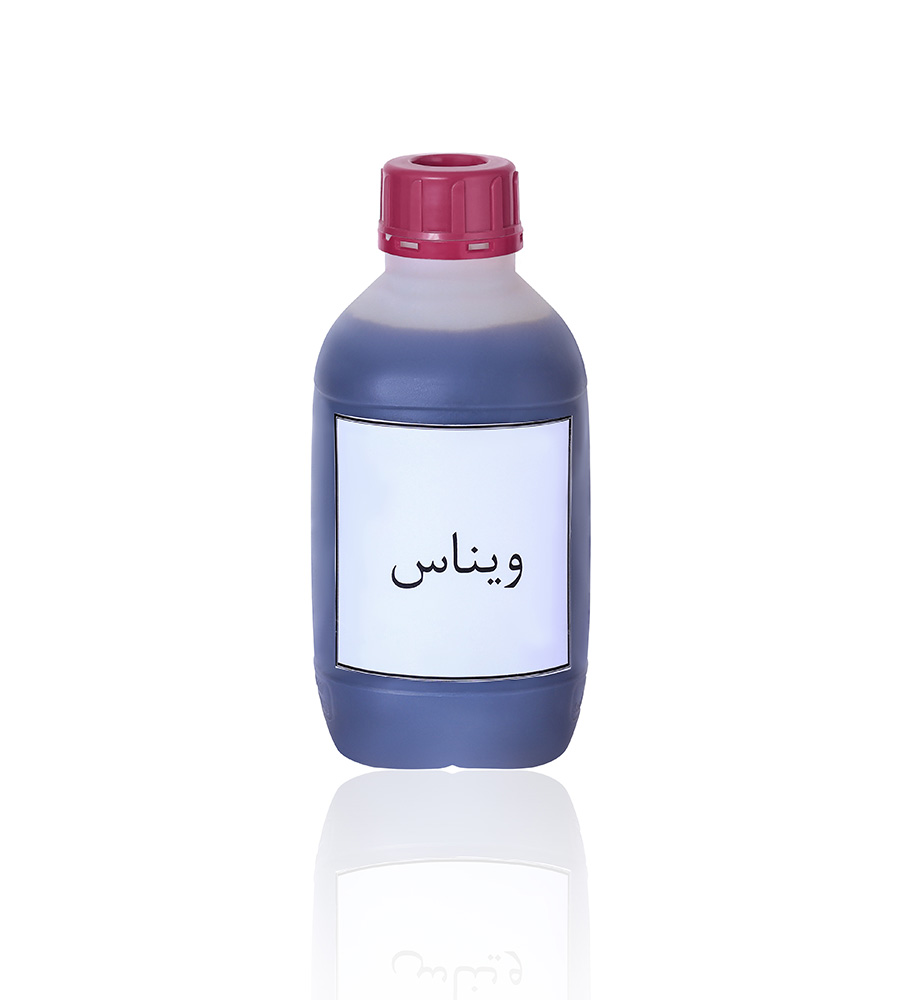
The industrial output of alcohol biotechnology factories with a Brix range of 12 to 23 is called Vinas. Approximately 86 to 89% of the weight of Vinas consists of water and the remaining percentage of soluble and insoluble solids. On average, 12 liters of vinasse are produced for each liter of alcohol.
This material contains nutrients such as phosphates and nitrates, which help the growth of plants. The basis for using Vinas in farms has been provided to prevent dust and public roads between farms.
Due to the introduction of yeasts and organic substances, it also contains amino acids and proteins, which are used as nutritious animal feed with the combination of oil seeds. Due to its high adhesion, this organic substance is sprinkled as a plant mulch on roads and sand fields.
Currently, by using biological purification methods and with the help of anaerobic bioreactors from Vinas, biogas can be extracted with a purity of 40-60%.
Introduction Vinasse
Vinas contains a small amount of non-fermentable sugar along with a high concentration of excellent substances including dextrins, melanoidins, resin, gum, organic acids, and amino acids. These substances immediately enter the fermentation process.
Other features of Venus include the following:
- Vinasse is a byproduct that is produced in the alcohol biotechnology factory, with a Brix range of 12 to 23.
- 86 to 89% of the weight of Vinasse consists of water.
- 11 to 14 percent of Vinasse consists of solid and dissolved substances in water.
What is Vinasse made of?
Vinas is the result of the process of producing medicinal alcohol from sugarcane molasses in Razi Yeast and Alcohol Company, which, compared to chemical and mineral fertilizers, has a positive effect on the growth and performance of plants and leads to the production of healthy and organic products.The term dander is also a new word that is applied to sugarcane vinas or sugarcane-based alcohol industry effluent.
Other uses of available Vinasse in Razi collection
- Due to the presence of yeasts and organic materials, it also contains amino acids and proteins, which are used as nutritious animal feed by combining them with oilseeds.
- The use of Venus in farms is provided to prevent dust and general road coverings between farms.
- This organic material is sprayed as a plant mulch on roads and sand fields due to its high adhesiveness.
- Currently, using biological purification methods and with the help of anaerobic bioreactors from Vinasse, biogas with a purity of 60-40% can be extracted.
Uses of Vinasse
Due to the presence of a large amount of organic carbon along with nutrients in Vinasse, this substance has various applications that are used in special positions according to its type and concentration. The most common uses of Venus are as follows:
Suitable fertilizer for agriculture

Heat and electricity production

A rich source of methane

Culture medium for algae growth

Culture medium for plant tissues
Formulation of food solutions
Production of animal feed
